
Facelift Recovery Preparation with Ashley

By Ashley Gregory
Patient Care Coordinator


Hi, welcome to my video series, Ask Ashley, where we dive into the ins and outs of facial plastic surgery. I’m Ashley and I’m the patient care coordinator for Dr jesse Smith. Dr smith is a double board certified facial surgeon in North Texas. Today, we’re going to be talking about how to prepare for the facelift recovery process.

I want to make sure you’re well prepared for the journey ahead. Let’s get started.

How to prepare for facelift surgery before the procedure

All right, let’s kick things off with preparing for a facelift. Think of it as gearing up for a marathon.

Preparation is key. First you’ll need a consultation and health check. Make sure you have a thorough consultation with your surgeon. Discuss your medical history, any previous surgeries, current medications, and any other health concern. This is like giving your body the green light.

You’ll want to avoid certain medications. Your surgeon will likely ask you to stop taking blood thinning medications, like aspirin and ibuprofen. On the other hand, there are some medications we recommend you take, especially for facial surgeries. Arnica and bromelain are two pills that can help minimize bruising and swelling. You can take these about a week before surgery and after surgery as needed to help speed up your recovery.

Healthy lifestyle. Keep your body in tip top shape. Eat well, stay hydrated, and avoid smoking and alcohol. It’s all about setting the stage for a speedy recovery.

How to set up a recovery space at home

Now, let’s talk about creating the perfect recovery haven at home.

You’ll need a comfortable resting area. Set up a cozy resting area with plenty of pillows to keep your head elevated. Elevation helps reduce swelling. It’s a simple but effective trick. We recommend a 45 degree angle to keep your head above your heart. You’ll also need essential supplies. Gather all the essentials like gauze, cold packs, prescribed medications, and easy to eat healthy foods.

You’ll also need a notepad to record how much your drains are releasing fluid. Those drains stay in for about a week. Having all these supplies handy will just make it easier for you. It’s like having a little first aid station by your side. Also, you’ll need some entertainment and relaxation tools.

Don’t forget to line up some entertainment like books, TV shows or music. Keeping your mind occupied can make the recovery time fly by.

What support might patients need during recovery?

It’s helpful to have support and assistance during your recovery, especially in those early stages.

You’ll need transportation, so arrange for someone to drive you home after your surgery and even possibly to your follow up appointments. You’ll be able to drive yourself again once you’re off pain medications. This is typically about a week post surgery. You’ll need help with personal care. A friend or family member can be a huge help with daily tasks like meal prep and personal hygiene.

Think of it as having your own personal assistant for a little while. You’ll also need emotional support. Having someone around for emotional support can make a world of difference. A little encouragement goes a long way.

How much time should patients take off work?

Now it’s time to talk about taking a break from the daily grind. After your initial recovery period, if you work from home or have a virtual job, about 7-10 days should be adequate before you ease slowly back into work. If you see people on a daily basis, we recommend about 2-3 weeks off of work. This gives time for the initial swelling and bruising to subside.

If your job is physically demanding, consider taking closer to 4 6 weeks off. It’s better to be safe than sorry. And follow your surgeon’s advice. Always go with your surgeon’s personalized advice. They know best based on your specific situation.

Post-surgery care tips to promote healing

Let’s dive into some golden nuggets for post surgery care. Follow instructions. Stick to all the post op instructions your surgeon gives you. They’re going to be your road map to a smooth recovery.

Staying elevated. You need to keep your head elevated, even when sleeping. It’s a game changer for reducing swelling.

And take it easy. Dr smith likes to say, you just had a surgery, so act like you had a surgery. Let your body rest and recover. And be gentle, especially with your face and hair. Avoid any strenuous activities that might strain your incisions.

What to avoid during recovery

Here’s what to steer clear of during your recovery journey. Avoid strenuous activities. Skip the gym and heavy lifting for at least four to six weeks. Your body needs time to heal. No smoking. Smoking is a big no no. It can slow down the healing process and increase risk of complications. Limit your sun exposure.

Protect your face and your new scars from the sun. Wear a wide brimmed hat and avoid direct sunlight. This will help your scars heal with less risk for pigmentation issues.

Managing expectations during the recovery process

Last but not least, let’s talk about patience and managing expectations.

Having realistic expectations is important. Results take time to develop. Swelling and bruising are part of the journey. Your face will feel tight at first, but once the swelling goes down, everything will settle in to look more natural. Most patients feel back to normal around the six week mark. Staying positive, focus on the positive changes and improvements.

Temporary discomfort is just that, temporary. And regular communication. Keep in touch with your surgeon. They’re there to help you every step of the way.

Well, that wraps up our guide to facelift recovery. Keep in mind that each recovery is personal. So adhere to your surgeon’s recommendations and allow yourself the time you need to heal.

Ultimate Guide to Facelift Surgery: Pt. 2 – Facial Anatomy & Aging

By Dr. Jesse E. Smith, MD, FACS
Facial Plastic Surgeon

Welcome to the second part of our comprehensive guide to facelift surgery. In this installment, we will delve into the intricate anatomy of the face and explore how it ages over time. Understanding the key structures of the face, such as the skin, muscles, fat pads, ligaments, and bone structure, is essential for anyone considering this cosmetic procedure. By gaining insights into the factors that influence facial aging, such as genetics, sun exposure, smoking, diet, lifestyle, and environmental factors, you can make an informed decision about whether a facelift is right for you.

Key Structures of the Face

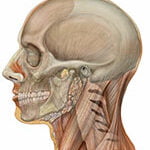
Facial anatomy is complex and comprises several key structures that are crucial in facelift surgery

  • Skin: The largest organ of the body, providing cover and protection. It consists of multiple layers, each playing a role in aging.

  • Muscles: Facial muscles are responsible for expressions. They are interconnected with skin and fat, influencing how aging changes the face’s appearance.
  • Fat Pads: Fat in the face is segmented into distinct pads. Their size and position affect facial fullness and contour.
  • Ligaments: There are ligaments in the face that attach to the bone and go to the skin. These ligaments help support the fat pads and muscles, and are an important part of aging.
  • Bone Structure: The facial skeleton provides the framework. Changes in bone density and volume with age can alter facial contours.

How the Face Ages

“Facelifts are an invasive and detailed procedure. It is important to choose a Board Certified cosmetic surgeon to perform your surgery. Dr Jesse Smith is double board certified and is a facial specialist, so rest easy knowing that you are in very experienced and capable hands when you come to us.”

Shasta Mills
  Surgical Scrub Technician

  • 1. Skin Changes: As we age, skin loses elasticity and collagen, leading to wrinkles and sagging. Sun damage and lifestyle choices can accelerate these changes.
  • 2. Muscle Tone Alteration: With age, some facial muscles weaken while others may become more prominent, contributing to changes in facial expression and appearance.
  • 3. Fat Redistribution: The youthful face is characterized by evenly distributed fat pads. With aging, these pads can diminish or descend, leading to hollowed areas or jowls.
  • 4. Ligament elasticity and stretching: This allows muscles and fat pads to sink and redistribute.
  • 5. Bone Resorption: Aging can lead to a reduction in bone density and volume, particularly around the jawline and cheeks, impacting the overall shape of the face.

Factors Influencing Facial Aging

  • 1. Genetics: Determines the intrinsic aging process, influencing how early or late these changes appear and their severity.
  • 2. Sun Exposure: UV radiation accelerates the breakdown of collagen and elastin fibers in the skin.
  • 3. Smoking: Contributes to premature aging by reducing blood supply and nutrient delivery to the skin.
  • 4. Diet and Lifestyle: A healthy lifestyle and diet can delay signs of aging, whereas stress, poor nutrition, and lack of sleep can hasten them.
  • 5. Environmental Factors: Pollution and other environmental toxins can contribute to skin damage and premature aging.

Understanding the intricate anatomy of the face and the process of aging is crucial for anyone considering facelift surgery. It helps in setting realistic expectations and understanding the potential outcomes of the procedure. In the next part of this series, we will explore how to determine if you are a suitable candidate for facelift surgery, including factors like health, skin type, and personal goals.

Join us in the next installment of “The Ultimate Guide to Facelift Surgery,” where we will provide essential insights into making an informed decision about undergoing this transformative procedure.


Ultimate Guide to Facelift Surgery: Pt. 1 – Introduction to Facelifts

By Dr. Jesse E. Smith, MD, FACS
Facial Plastic Surgeon

What is a Facelift?

A facelift, medically known as a rhytidectomy, is a cosmetic surgical procedure designed to rejuvenate the appearance of the face. By removing excess skin, tightening underlying tissues, and redraping the skin on the face and neck, the procedure can significantly reduce the visible signs of aging. The goal of a facelift is not just to pull the skin tighter – removing wrinkles – but to restore it to a more youthful and natural-looking position.

Historical Perspective on Facelifts

The history of facelifts dates back to the early 1900s. The first recorded facelift surgeries were simple skin tightening procedures. Over the decades, the techniques have evolved significantly:

  • 1920s-1930s: The initial procedures only involved pulling and removing excess skin.
  • 1940s-1960s: Surgeons began to address the deeper structures of the face, realizing the importance of repositioning both skin and underlying tissues for a more natural result.
  • 1970s-1990s: With advancements in anesthesia and surgical techniques, procedures became safer and provided more lasting results. The understanding of facial anatomy during this period grew exponentially.
  • 2000s-Present: The modern facelift is far more advanced. It involves a combination of skin tightening, repositioning of the facial muscles, and sometimes even fat grafting or filler injections to restore volume. Minimally invasive techniques and non-surgical alternatives have also emerged, offering patients a broader range of options.

What are the benefits of getting a facelift?

“Facelifts are one of our favorite procedures! This procedure gives natural, yet dramatic, results and, we love seeing how happy our patients are with their results after recovery!”
Ashley Gregory
  Patient Care Coordinator

Facelift surgery offers a range of benefits for individuals seeking to rejuvenate their appearance. This surgical procedure primarily targets signs of aging in the face and neck area. Here are some key benefits of getting a facelift:

  1. Reduces visible signs of aging: A facelift can effectively minimize the appearance of wrinkles, creases, and sagging skin, which naturally occur due to the aging process. By tightening the underlying facial muscles and removing excess skin, a facelift can provide a smoother and more youthful appearance.

  2. Restores facial contours: Over time, the loss of facial fat and collagen can lead to a hollow or sunken look. A facelift can restore volume and contour to areas that have lost firmness, such as the cheeks and jawline. This helps to create a more defined and sculpted facial appearance.
  3. Improves self-confidence: The physical changes achieved through a facelift often lead to a boost in self-esteem and improved confidence. With a more youthful and revitalized appearance, individuals may feel more comfortable and positive about their overall image.

  4. Long-lasting results: While a facelift cannot stop the natural aging process, the effects of the procedure are long-lasting. The improvements achieved with a facelift can typically last for several years, allowing individuals to enjoy a more youthful appearance for an extended period.
  5. Enhances facial harmony: A facelift can improve the overall balance and harmony of the face by addressing multiple signs of aging simultaneously. By restoring a more youthful appearance, the procedure can help individuals achieve facial symmetry and an improved aesthetic balance.
  6. Complementary treatments: In many cases, individuals may choose to combine a facelift with other cosmetic procedures or treatments to achieve more comprehensive results. These may include brow lifts, eyelid surgery, or non-invasive treatments such as Botox or dermal fillers.

It is important to note that considering a facelift should involve consultation with an experienced surgeon, like a facial plastic surgeon, who can assess individual goals and recommend the most appropriate treatment plan. With a personalized approach, facelift surgery can provide patients with remarkable benefits, helping to restore a more youthful and refreshed appearance.

In the next installment of our guide, we will delve into the intricacies of facial anatomy and the aging process. Understanding these fundamental aspects is essential for anyone considering facelift surgery, as it provides a foundation for understanding the surgical techniques and their potential outcomes.


Combatting the Signs of Aging: Neck Lift vs. Non-Invasive Alternatives

By Dr. Jesse E. Smith, MD, FACS
Facial Plastic Surgeon


Age gracefully: a phrase we often hear but can find challenging to embody, especially when our neck begins to show undeniable signs of aging. The neck, frequently exposed to environmental factors and bearing the weight of time, may develop sagging skin, muscle banding, and accumulate fat. While a neck lift has been a traditional and effective remedy, there are also non-invasive alternatives available today. This article aims to provide clarity on both approaches.

Neck Lift: The Time-Tested Solution

A neck lift, or lower rhytidectomy, is a surgical procedure designed to rejuvenate the neck’s appearance. Here are its primary benefits:

1. Lasting Results: A neck lift offers long-term solutions to the effects of aging, potentially lasting for many years.

2. Comprehensive Transformation: This procedure addresses multiple concerns simultaneously – sagging skin of the neck and jaw line, muscle banding, and excess fat.

3. Tailored Approach: Each neck lift is customized to the patient’s anatomy and aesthetic goals, ensuring a natural and harmonious outcome.

The surgical process involves making incisions, typically starting at the hairline, extending around the ear, and possibly under the chin. Excess fat may be removed or repositioned, muscles tightened, and skin re-draped, achieving a youthful contour.

Non-Invasive Alternatives: The Modern Approach

The rise of technology in cosmetic medicine has provided patients with multiple non-surgical treatments for neck rejuvenation. Some of the most popular include:

1. Botox for Platysmal Bands: Botox injections can relax the platysma muscle, softening or eliminating the appearance of vertical neck bands.

2. Ultherapy or Thermage: These treatments use ultrasound or radiofrequency energy, respectively, to tighten the skin. They stimulate collagen production, leading to gradual skin tightening over several months.

3. Kybella: An injectable treatment designed to dissolve fat, Kybella is primarily used for the submental area (under the chin), reducing the appearance of a “double chin.”

4. Cosmetic Injections: Another injectable treatment to fill small lines within the neck to smooth the skin, and improve the skin appearance.

5. Non-Permanent Thread Lifting: These are temporary, resorbable threads used below the skin surface to tighten neck skin.

These treatments, while less invasive than surgery, might require maintenance sessions to sustain the results.

Combination Therapies: The Best of Both Worlds

There are scenarios where combining a surgical procedure with non-invasive treatments can produce optimal outcomes. For instance, a patient who undergoes a neck lift might also benefit from Botox or Cosmetic Injections to enhance the smoothness of the neck further. Such combinations allow for nuanced enhancements, addressing both major and minor concerns.

Making an Informed Decision

When deciding between a neck lift and non-invasive alternatives, several factors come into play:

1. Desired Outcome: If you are looking for a significant transformation and lasting results, a neck lift might be the ideal choice. On the other hand, if you are aiming for subtle improvements or are not ready for surgery, non-invasive methods could be preferable.

2. Recovery Time: A neck lift involves downtime, while non-invasive treatments often have minimal to no recovery periods.

3. Budget: While a neck lift may have a higher upfront cost, it offers long-lasting results. Non-invasive treatments, although individually less expensive, might require repeat sessions.

Conclusion

The neck is a prominent feature, reflecting our age and lifestyle. Whether you opt for a traditional neck lift or explore non-invasive treatments, the key lies in choosing the right procedure for your unique needs. With the expertise of board-certified facial plastic surgeons like Jesse E. Smith, MD, FACS, you can navigate the myriad of options, ensuring you achieve a rejuvenated appearance that aligns with your vision.

How Long Do Different Types of Facelifts Last?

A facelift is an excellent way to ensure you keep a youthful appearance. The procedure firms and lifts sagging tissues to smooth folds, remove wrinkles, and make your face look more aesthetically pleasing.

One of the things you need to consider is which kind of facelift is right for you. Many factors go into that decision, one of which is how long the facelift offers results. Learn more about the differences from one facelift to the next below.

Mini-Facelifts

A mini-facelift will often be recommended for those with minor jowls or sagging skin. This is a less invasive technique where small incisions are made at the hairline above the ears and around the ear creases. This can help to tighten the deep tissues in the face, reduce the jowls, and lift the cheeks. It also can slightly lift and tighten the neck for a rested and youthful look.

When a mini-facelift is performed, the surgeon will determine what type of anesthesia is appropriate for your needs. In most cases, sedation and local anesthesia are used. This type of facelift will often provide results for about 5 years before it needs to be refreshed.

Deep Plane Facelifts

The better-known type of facelift is the deep plane left, and it offers a more comprehensive solution. It is often used for more moderate to advanced aging of the neck and face. While the recovery is longer, the results are much more obvious. An incision is made behind the hairline, around the front of the ear, and near the temples to remove extra skin and reposition the deep tissues is used to remove jowls, tighten the neck, reposition the cheek pads, and create a more youthful look.

In terms of how long the results last, a deep plane facelift has much better longevity than a mini-facelift. Instead of having results for about 5 years, deep plane facelifts often last for about 10-15 years without any need for additional procedures.

How to Ensure the Top Results from a Facelift

Several steps can be taken to ensure the best facelift results. Many of these are also staples of an overall healthy lifestyle.

  • Avoid smoking – If you do smoke, quit as far in advance of the surgery as possible. Not doing so can make several complications more common. Avoid starting smoking again after the procedure. Nicotine and smoke damage the skin.
  • Eat healthy foods and stay hydrated – A healthy diet and plenty of water can help you with the nutrients your skin needs to look its best. Getting vitamins like A, B, C, D, and E should be prioritized for the overall health and elasticity of the skin.
  • Use sunblock – Covering up your skin is essential, especially before and after a facelift. The best option will be made with zinc and have an SPF of 30 or higher. A broad-spectrum sunblock is ideal to protect from UVA and UVB rays.

Final Thoughts

Different forms of facelifts also provide results for unique periods of time. It is important to consider the options and know all the facts before choosing the right one for yourself. Use the tips above for the best way to get a facelift you can be proud of.

Everything You Need to Know About Facelift Recovery

A facelift is an excellent way to combat the signs of aging in the neck and face. It’s often chosen by people who have sagging skin, jowls, or wrinkles who wish to appear more youthful.

Knowing the details about the surgery is essential but you should also know what to expect during recovery. While the effects of a facelift may not be fully apparent for several months, the recovery process takes less time.

Expectations After Surgery

Mild to moderate discomfort and pain should be expected but can be controlled with medication. After about 72 hours, the pain should decrease. Severe pain is uncommon but if it occurs, you should reach out to the surgeon’s office, immediately.

Swelling and bruising are also common. These will be worst at one to three days after surgery and subside over two weeks. Sleeping with your head elevated can help minimize any swelling and should be done for about three weeks following surgery.

Slight drainage may occur in the first two days which will be handled through a dressing with drains. This will be removed during your first post-operative visit and exchanged for a face garment to be worn for several days.

Avoid serious exertion or exercise for three weeks after surgery. You can begin to bathe or shower on the third day but use only mildly warm water. When combing or brushing the hair, be cautious around the incisions.

The Basic Timetable for Recovery

Day One

After the surgery is complete, you will return to your home. On the first day, you will be directed to use ice or cold compresses on the procedure areas.

Days Two to Three

During the next two days, you can expect to see the most bruising and swelling where the procedure was done.

Days Five to Seven

At this time, you will also notice that the bruising starts to go away.

Week One

Except when showering, it’s important to wear an elastic garment at all times unless directed otherwise. Makeup can be used as a coverup for bruises.

Weeks Two to Three

At night, the elastic garment should be worn. The swelling will start to improve but some areas of the neck and face may feel rather stiff. Any bruising can continue to be covered up with makeup.

Reasons to Call the Plastic Surgery Office

Some symptoms indicate the need to speak with someone at the surgeon’s office as soon as possible. These include:

  • Excessive or repeated vomiting
  • Developing a fever above 100 degrees Fahrenheit
  • A large increase in pain that is not easily alleviated through your prescribed medication
  • Unusual discharge or bleeding originating from the incision
  • Unexpected, or uneven sudden swelling

If any of these things occur after office hours, speak with an answering service. In a case where neither is available, visit an emergency department, so you can be evaluated.

Final Thoughts

Keep in mind that the timeframes and instructions listed above are general. Every person will have a unique recovery and you should direct questions to your surgeon. If you take the proper precautions, do research, and follow the post-op instructions, it often creates the best outcome and easiest recovery.

How to Have the Best Night’s Sleep After a Facelift

After having a facelift procedure, it’s important to get plenty of rest. Some people find the recovery process uncomfortable and exhausting, even if the results are well worth it. Here are some tips on the best way to get great rest after your procedure. Use the tips below to get as comfortable as possible so you get a good night’s sleep.

The Ideal Sleeping Position Following a Facelift

Pure comfort may not be possible right after a facelift, but you can make it easier by sleeping with your head elevated above the level of your heart. Use a couple of extra pillows under your head and one or two on the sides of your body to keep you from moving around as you sleep.

If you typically sleep on your side or stomach, try to get used to sleeping on your back before the surgery. Recliners are another great option since you will stay on your back without tossing and turning.

Sleeping on the your back is essential to avoid additional swelling. In addition, other sleeping positions can create pressure or friction on your face. This can irritate the healing tissues or even open the incisions.

Extra Tips for Great Sleep After the Procedure

Swelling, pain, anxiety, and the need to sleep in a new position can make sleeping a struggle for some. However, good sleep is essential for a speedy recovery, so there are a few things that you can do to ensure your sleeping environment is comfortable.

Prepare Ahead of Time

After a facelift, you may need a few weeks to recover, so you should prepare early. Clean up, have meals ready, and do any errands that might be needed during that time. In addition, add a few extra pillows to your bed. Make sure all the items you use in bed are within each reach, such as the remote control, magazines, a phone charger, and medication.

Remember What’s Coming

Facelifts may not be as painful as you expect but discomfort is still common. Many people feel anxious or stressed about how they might look after the procedure is done. Remind yourself that the first few days are the worst and that your face will look great after the bruising and swelling go down. If you are full of stress, it will be harder to sleep. Be honest with yourself and remember how you will look in less than a month.

Keep the Swelling Down

The worst discomfort during sleep is often associated with swelling. Using a cold compress in a light towel or cloth on the swollen areas can help with this. Lay it gently against your face for 15 to 20 minutes. Follow up with a break of at least an hour before starting the process again.

Never put an ice pack directly on your skin since this can lead to burns on the skin.
Final Thoughts

There are a variety of options for staying comfortable at night while recovering from a facelift procedure. Staying lightly active to avoid stiffness, avoiding caffeine to help you fall asleep, and cleaning your face gently with a damp cloth are all great ideas. Ask your surgeon for other tips that might help!

5 Things to Know About A Mini Face Lift

Many Americans opt for some form of plastic surgery each year. There are numerous popular options for plastic surgery, with many of them aimed at helping people look as young as possible for as long as possible. This is why the mini facelift is such a popular procedure. The results can be amazing with very little downtime or side effects. If you’re considering a mini facelift, here are five things you should know before you proceed.

They Can Help You Prevent Further Aging

You can control a lot of how you care for your skin, such as regularly applying SPF or a good skincare routine, but you can’t control hormones and genetics. Getting a mini facelift can help slow the toll that time and other factors have on your appearance. Getting a mini facelift when you start to notice the first signs of aging can help to prevent you from looking older before your time.

Recovery Time is Quick

With a mini facelift, not only are the results noticeable, but they also show up pretty quickly. Because the procedure only involves small incisions, there’s much less swelling and bruising, which means less downtime and a shorter recovery after surgery. Within a week after surgery, you may be able to return to work and your usual activities. However, it is important to note that it can take up to a year to see the full, complete results of your mini facelift.

The Procedure Isn’t Very Invasive

The mini facelift is both effective as well as being minimally invasive, making it an ideal procedure. There will be less scarring because fewer incisions are required, and the procedure usually only takes a few hours to complete. In some cases, surgeons might even choose to do the procedure using only a local anesthetic rather than a general anesthetic.

The Results Look Natural

Mini facelifts might be called mini, but they can actually have significant results. The skin is not only lifted and smoothed out, but excess fat can also be removed, and the muscles adjusted to create the most natural look possible. Don’t think that just because it’s a mini facelift and not a full procedure, that the results won’t be beautiful and noticeable!

The Results Will Last a Long Time

If you take care of your skin following the procedure, there’s a chance the results will last for up to a decade. For the best results, it’s highly recommended you protect your skin with SPF every day, as well as wearing a hat and sunglasses during peak hours of sunlight.

A mini facelift can be an ideal procedure for making you look younger without a lot of downtime or having to undergo an invasive procedure. If you think the mini facelift might be an ideal option for you or would like to learn more about it, get in touch!

Facelift Options

A facelift can make you look younger, restoring a more naturally youthful appearance by lifting and firming sagging facial tissues. When excess, sagging, skin is removed, deep folds are smoothed, and the deep tissues of the face are lifted and tightened, a facelift can potentially work wonders.

As we age, our face naturally loses its elasticity and volume. As a result, it is common to develop jowls, neck bands, lower cheeks, and loose skin. The signs of aging are a natural part of growing older, but some patients find that a facelift is a good solution to these concerns and can help to boost their confidence.

Types of Facelifts

Mini-Facelift

A mini facelift is often appropriate for patients who have minimal sagging skin and mild jowls. In this less invasive technique, the surgeon makes discreet incisions along the hairline above each ear and usually around the ear creases to tighten deep facial tissues. Jowls are reduced, the cheeks are lifted, and the neck is tightened by lifting and tethering structural tissues around ear and hairline. This results in a more youthful and rested appearance.

Dr Smith will recommend what type of anesthesia is appropriate for your individual needs when performing a mini facelift. Typically, local anesthesia and sedation are used. A mini facelift can help to delay the need for more invasive surgery for several years by addressing unwanted signs of aging before they become too prominent. It’s the perfect option for those who don’t require, or desire, a standard facelift.

Deep Plane Facelift

Deep Plane facelifts are the more well-known, procedure that provides a comprehensive solution for moderate to advanced aging around of the face and neck. Despite the longer recovery time compared to a mini facelift, the results are much more dramatic. The surgeon will make an incision located behind the hairline, near the temples, and around the front of the ear to remove excess skin and reposition the deeper tissues beneath the skin to eliminate jowls and restore a youthful appearance to the face and neck. Dr Smith employees the newest techniques that dispense with the tell-tell signs of older standard skin lifts.

How Does Facelift Surgery Work?

Plastic surgeons use different techniques for a facelift depending on factors such as a patient’s anatomy and personal aesthetic goals. Some less extensive procedures can be performed under local anesthesia with some sedation, although general anesthesia is usually used for the vast majority of standard facelifts.

Incisions are made to separate the skin from the muscles and connective tissue underneath. As a result, the surgeon is able to reposition the deeper facial tissues (called the SMAS) and improve the skin’s foundation, while repositioning the underlying structures to a more youthful and natural position. After removing excess skin, the remaining skin is gently repositioned over the newly rejuvenated tissue, creating a smoother, more youthful appearance without an overtightening or wind-swept look.

Can I Have a Nonsurgical Facelift?

Some non-invasive treatments can make you look more youthful without removing sagging skin or repositioning tissues. If you don’t think that a surgical facelift is the right option for you, you could consider alternatives, such as Botox, fat injections, dermal fillers, a liquid facelift, micro-needling, chemical peels, or laser skin resurfacing. Place link here to other page

Facelifts are a very common procedure that many people undergo when they wish to reduce signs of aging. There are numerous different facelift options, which can be tailored to your specific needs. Contact the office today to learn more.