


Hair Loss Myths Debunked: Separating Fact from Fiction

By Dr. Jesse E. Smith, MD, FACS
Facial Plastic Surgeon

Hair loss is a common concern that affects millions of people worldwide. With its prevalence comes a myriad of myths and misconceptions about its causes, prevention, and treatment. Dr. Jesse E. Smith, a specialist in hair restoration, aims to dispel some of these myths and provide factual information to those seeking guidance on hair loss.

Myth 1: Wearing Hats Causes Baldness

One of the most persistent myths is that wearing hats can lead to hair loss. The belief is that hats cut off circulation to the scalp, starving hair follicles of nutrients. However, hair follicles get their nutrients from the bloodstream, not directly from the air, and normal hat-wearing does not affect blood circulation enough to cause hair loss. Balding is mainly influenced by genetics, hormones, and age, not by your fashion choices.

Myth 2: Stress Always Causes Hair to Fall Out

While it is true that severe stress can lead to temporary hair shedding (telogen effluvium), everyday stress will not cause you to go bald. Stress-related hair loss is usually temporary, and hair often regrows once the stressor is removed or managed. It is important to distinguish between this temporary shedding and more permanent forms of hair loss like androgenetic alopecia.

Myth 3: Only Men Suffer From Hair Loss

Hair loss does not discriminate by gender. While men are more likely to experience visible balding due to male pattern baldness, women also suffer from hair loss, including female pattern hair loss (androgenetic alopecia in women). The patterns of hair loss differ between genders, but the condition affects both men and women.

Myth 4: Baldness is Always Inherited From the Mother’s Side

Many believe that the gene for male pattern baldness is solely inherited from the mother’s side of the family. However, genetics of baldness are complex, involving many genes inherited from both parents. While the X chromosome from the mother does carry a significant hair loss gene, factors on the father’s side also play a crucial role.

Myth 5: Hair Loss Can Be Stopped Completely

While there are effective treatments available that can significantly slow down or partially reverse hair loss, such as minoxidil (Rogaine) and finasteride (Propecia), there is currently no cure that stops hair loss completely and permanently for everyone. Treatment efficacy varies from person to person, and maintaining treatment results often requires ongoing use of these therapies.

Conclusion

Hair loss myths are widespread, but understanding the facts can help you make informed decisions about your hair health. If you are concerned about hair loss, it is essential to consult with a hair restoration specialist like Dr. Jesse E. Smith. Dr. Smith can provide accurate information based on the latest research and offer personalized treatment options based on your unique situation.
Ultimate Guide to Facelift Surgery: Pt. 2 – Facial Anatomy & Aging

By Dr. Jesse E. Smith, MD, FACS
Facial Plastic Surgeon

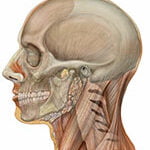
Welcome to the second part of our comprehensive guide to facelift surgery. In this installment, we will delve into the intricate anatomy of the face and explore how it ages over time. Understanding the key structures of the face, such as the skin, muscles, fat pads, ligaments, and bone structure, is essential for anyone considering this cosmetic procedure. By gaining insights into the factors that influence facial aging, such as genetics, sun exposure, smoking, diet, lifestyle, and environmental factors, you can make an informed decision about whether a facelift is right for you.

Key Structures of the Face

Facial anatomy is complex and comprises several key structures that are crucial in facelift surgery

  • Skin: The largest organ of the body, providing cover and protection. It consists of multiple layers, each playing a role in aging.

  • Muscles: Facial muscles are responsible for expressions. They are interconnected with skin and fat, influencing how aging changes the face’s appearance.
  • Fat Pads: Fat in the face is segmented into distinct pads. Their size and position affect facial fullness and contour.
  • Ligaments: There are ligaments in the face that attach to the bone and go to the skin. These ligaments help support the fat pads and muscles, and are an important part of aging.
  • Bone Structure: The facial skeleton provides the framework. Changes in bone density and volume with age can alter facial contours.

How the Face Ages

“Facelifts are an invasive and detailed procedure. It is important to choose a Board Certified cosmetic surgeon to perform your surgery. Dr Jesse Smith is double board certified and is a facial specialist, so rest easy knowing that you are in very experienced and capable hands when you come to us.”

Shasta Mills
  Surgical Scrub Technician

  • 1. Skin Changes: As we age, skin loses elasticity and collagen, leading to wrinkles and sagging. Sun damage and lifestyle choices can accelerate these changes.
  • 2. Muscle Tone Alteration: With age, some facial muscles weaken while others may become more prominent, contributing to changes in facial expression and appearance.
  • 3. Fat Redistribution: The youthful face is characterized by evenly distributed fat pads. With aging, these pads can diminish or descend, leading to hollowed areas or jowls.
  • 4. Ligament elasticity and stretching: This allows muscles and fat pads to sink and redistribute.
  • 5. Bone Resorption: Aging can lead to a reduction in bone density and volume, particularly around the jawline and cheeks, impacting the overall shape of the face.

Factors Influencing Facial Aging

  • 1. Genetics: Determines the intrinsic aging process, influencing how early or late these changes appear and their severity.
  • 2. Sun Exposure: UV radiation accelerates the breakdown of collagen and elastin fibers in the skin.
  • 3. Smoking: Contributes to premature aging by reducing blood supply and nutrient delivery to the skin.
  • 4. Diet and Lifestyle: A healthy lifestyle and diet can delay signs of aging, whereas stress, poor nutrition, and lack of sleep can hasten them.
  • 5. Environmental Factors: Pollution and other environmental toxins can contribute to skin damage and premature aging.

Understanding the intricate anatomy of the face and the process of aging is crucial for anyone considering facelift surgery. It helps in setting realistic expectations and understanding the potential outcomes of the procedure. In the next part of this series, we will explore how to determine if you are a suitable candidate for facelift surgery, including factors like health, skin type, and personal goals.

Join us in the next installment of “The Ultimate Guide to Facelift Surgery,” where we will provide essential insights into making an informed decision about undergoing this transformative procedure.


Liquid Facelift: Transforming Aesthetics at Dr. Smith’s Med Spa

By Bailey Pettway
Licensed Medical Aesthetician

The liquid facelift is a revolutionary non-surgical procedure that offers a way to rejuvenate and refresh the face without the need for invasive surgery. Utilizing a combination of injectable treatments like dermal fillers and botulinum toxin, the liquid facelift can reduce wrinkles, restore volume, and enhance facial contours. At Dr. Jesse Smith’s Med Spa, we are proud to offer this innovative treatment, expertly tailored to each client’s unique needs by our skilled team, including our renowned Medical Aesthetician, Bailey Pettway, with the help of our CNA Ashley Gregory to discuss and tailor each patient’s exact needs.

Understanding the Liquid Facelift

A liquid facelift is a bespoke treatment that combines various injectables to achieve a youthful and revitalized appearance. Dermal fillers such as JUVÉDERM®, Restylane®, and Sculptra® are used to add volume and smooth out wrinkles, while botulinum toxin products like Botox® and Dysport® help relax facial muscles, reducing the appearance of fine lines. This personalized approach allows for a comprehensive facial rejuvenation, targeting areas such as the cheeks, jawline, lips, and forehead.

The Benefits of a Liquid Facelift

One of the key advantages of a liquid facelift is its minimal downtime compared to traditional facelift surgery. Patients can often return to their daily activities shortly after the procedure, making it an ideal choice for those seeking significant aesthetic improvements without the recovery time. Additionally, the results are temporary and adjustable, offering flexibility for patients to refine their look over time.

Ideal Candidates for a Liquid Facelift

The liquid facelift is suitable for individuals looking to address signs of aging without undergoing surgery. Ideal candidates are those experiencing volume loss, fine lines, and wrinkles, but who still have relatively elastic skin.

The Procedure

Administering a liquid facelift requires precision and artistry. The process is relatively quick, taking about an hour, and involves minimal discomfort. Clients are advised on aftercare to ensure optimal healing and results.

Conclusion

The liquid facelift represents a cutting-edge solution for facial rejuvenation, offering a blend of immediacy, efficacy, and minimal invasiveness. At Dr. Smith’s Med Spa, we are committed to providing our clients with the highest standard of care, utilizing the latest advancements in aesthetic medicine to achieve beautiful, natural-looking results.

Ready to explore how a liquid facelift can rejuvenate your appearance? Contact Dr. Smith’s Med Spa today to schedule your consultation and discover the transformative potential of this innovative treatment.

Ultimate Guide to Facelift Surgery: Pt. 1 – Introduction to Facelifts

By Dr. Jesse E. Smith, MD, FACS
Facial Plastic Surgeon

What is a Facelift?

A facelift, medically known as a rhytidectomy, is a cosmetic surgical procedure designed to rejuvenate the appearance of the face. By removing excess skin, tightening underlying tissues, and redraping the skin on the face and neck, the procedure can significantly reduce the visible signs of aging. The goal of a facelift is not just to pull the skin tighter – removing wrinkles – but to restore it to a more youthful and natural-looking position.

Historical Perspective on Facelifts

The history of facelifts dates back to the early 1900s. The first recorded facelift surgeries were simple skin tightening procedures. Over the decades, the techniques have evolved significantly:

  • 1920s-1930s: The initial procedures only involved pulling and removing excess skin.
  • 1940s-1960s: Surgeons began to address the deeper structures of the face, realizing the importance of repositioning both skin and underlying tissues for a more natural result.
  • 1970s-1990s: With advancements in anesthesia and surgical techniques, procedures became safer and provided more lasting results. The understanding of facial anatomy during this period grew exponentially.
  • 2000s-Present: The modern facelift is far more advanced. It involves a combination of skin tightening, repositioning of the facial muscles, and sometimes even fat grafting or filler injections to restore volume. Minimally invasive techniques and non-surgical alternatives have also emerged, offering patients a broader range of options.

What are the benefits of getting a facelift?

“Facelifts are one of our favorite procedures! This procedure gives natural, yet dramatic, results and, we love seeing how happy our patients are with their results after recovery!”
Ashley Gregory
  Patient Care Coordinator

Facelift surgery offers a range of benefits for individuals seeking to rejuvenate their appearance. This surgical procedure primarily targets signs of aging in the face and neck area. Here are some key benefits of getting a facelift:

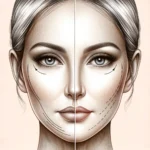
  1. Reduces visible signs of aging: A facelift can effectively minimize the appearance of wrinkles, creases, and sagging skin, which naturally occur due to the aging process. By tightening the underlying facial muscles and removing excess skin, a facelift can provide a smoother and more youthful appearance.

  2. Restores facial contours: Over time, the loss of facial fat and collagen can lead to a hollow or sunken look. A facelift can restore volume and contour to areas that have lost firmness, such as the cheeks and jawline. This helps to create a more defined and sculpted facial appearance.
  3. Improves self-confidence: The physical changes achieved through a facelift often lead to a boost in self-esteem and improved confidence. With a more youthful and revitalized appearance, individuals may feel more comfortable and positive about their overall image.
  4. Long-lasting results: While a facelift cannot stop the natural aging process, the effects of the procedure are long-lasting. The improvements achieved with a facelift can typically last for several years, allowing individuals to enjoy a more youthful appearance for an extended period.
  5. Enhances facial harmony: A facelift can improve the overall balance and harmony of the face by addressing multiple signs of aging simultaneously. By restoring a more youthful appearance, the procedure can help individuals achieve facial symmetry and an improved aesthetic balance.
  6. Complementary treatments: In many cases, individuals may choose to combine a facelift with other cosmetic procedures or treatments to achieve more comprehensive results. These may include brow lifts, eyelid surgery, or non-invasive treatments such as Botox or dermal fillers.

It is important to note that considering a facelift should involve consultation with an experienced surgeon, like a facial plastic surgeon, who can assess individual goals and recommend the most appropriate treatment plan. With a personalized approach, facelift surgery can provide patients with remarkable benefits, helping to restore a more youthful and refreshed appearance.

In the next installment of our guide, we will delve into the intricacies of facial anatomy and the aging process. Understanding these fundamental aspects is essential for anyone considering facelift surgery, as it provides a foundation for understanding the surgical techniques and their potential outcomes.