
How Long Do Different Types of Facelifts Last?

A facelift is an excellent way to ensure you keep a youthful appearance. The procedure firms and lifts sagging tissues to smooth folds, remove wrinkles, and make your face look more aesthetically pleasing.

One of the things you need to consider is which kind of facelift is right for you. Many factors go into that decision, one of which is how long the facelift offers results. Learn more about the differences from one facelift to the next below.

Mini-Facelifts

A mini-facelift will often be recommended for those with minor jowls or sagging skin. This is a less invasive technique where small incisions are made at the hairline above the ears and around the ear creases. This can help to tighten the deep tissues in the face, reduce the jowls, and lift the cheeks. It also can slightly lift and tighten the neck for a rested and youthful look.

When a mini-facelift is performed, the surgeon will determine what type of anesthesia is appropriate for your needs. In most cases, sedation and local anesthesia are used. This type of facelift will often provide results for about 5 years before it needs to be refreshed.

Deep Plane Facelifts

The better-known type of facelift is the deep plane left, and it offers a more comprehensive solution. It is often used for more moderate to advanced aging of the neck and face. While the recovery is longer, the results are much more obvious. An incision is made behind the hairline, around the front of the ear, and near the temples to remove extra skin and reposition the deep tissues is used to remove jowls, tighten the neck, reposition the cheek pads, and create a more youthful look.

In terms of how long the results last, a deep plane facelift has much better longevity than a mini-facelift. Instead of having results for about 5 years, deep plane facelifts often last for about 10-15 years without any need for additional procedures.

How to Ensure the Top Results from a Facelift

Several steps can be taken to ensure the best facelift results. Many of these are also staples of an overall healthy lifestyle.

  • Avoid smoking – If you do smoke, quit as far in advance of the surgery as possible. Not doing so can make several complications more common. Avoid starting smoking again after the procedure. Nicotine and smoke damage the skin.
  • Eat healthy foods and stay hydrated – A healthy diet and plenty of water can help you with the nutrients your skin needs to look its best. Getting vitamins like A, B, C, D, and E should be prioritized for the overall health and elasticity of the skin.
  • Use sunblock – Covering up your skin is essential, especially before and after a facelift. The best option will be made with zinc and have an SPF of 30 or higher. A broad-spectrum sunblock is ideal to protect from UVA and UVB rays.

Final Thoughts

Different forms of facelifts also provide results for unique periods of time. It is important to consider the options and know all the facts before choosing the right one for yourself. Use the tips above for the best way to get a facelift you can be proud of.
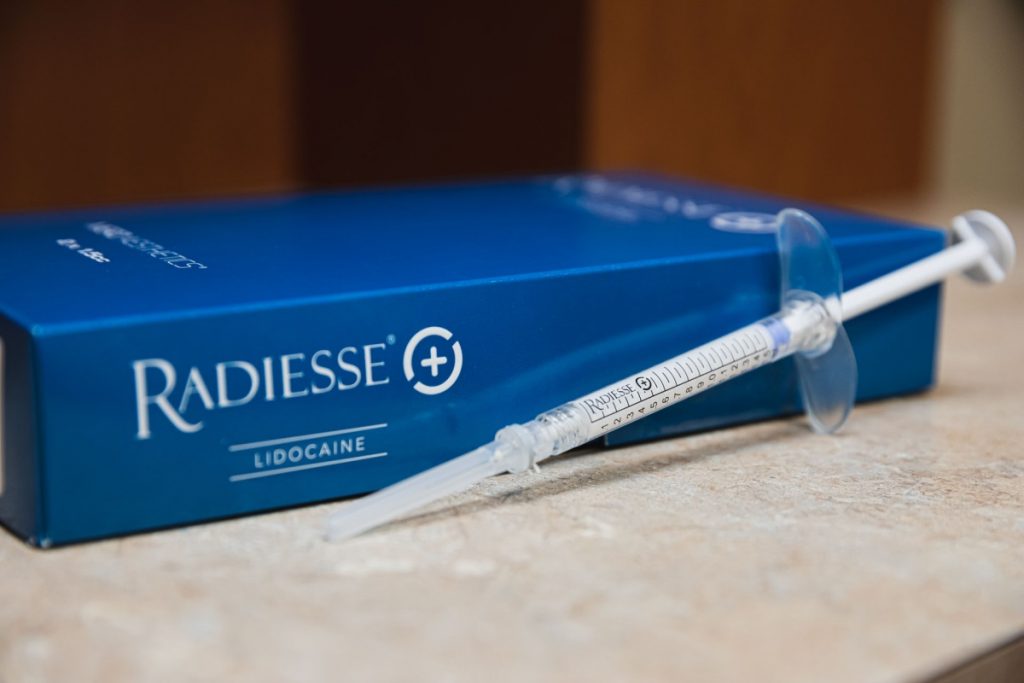
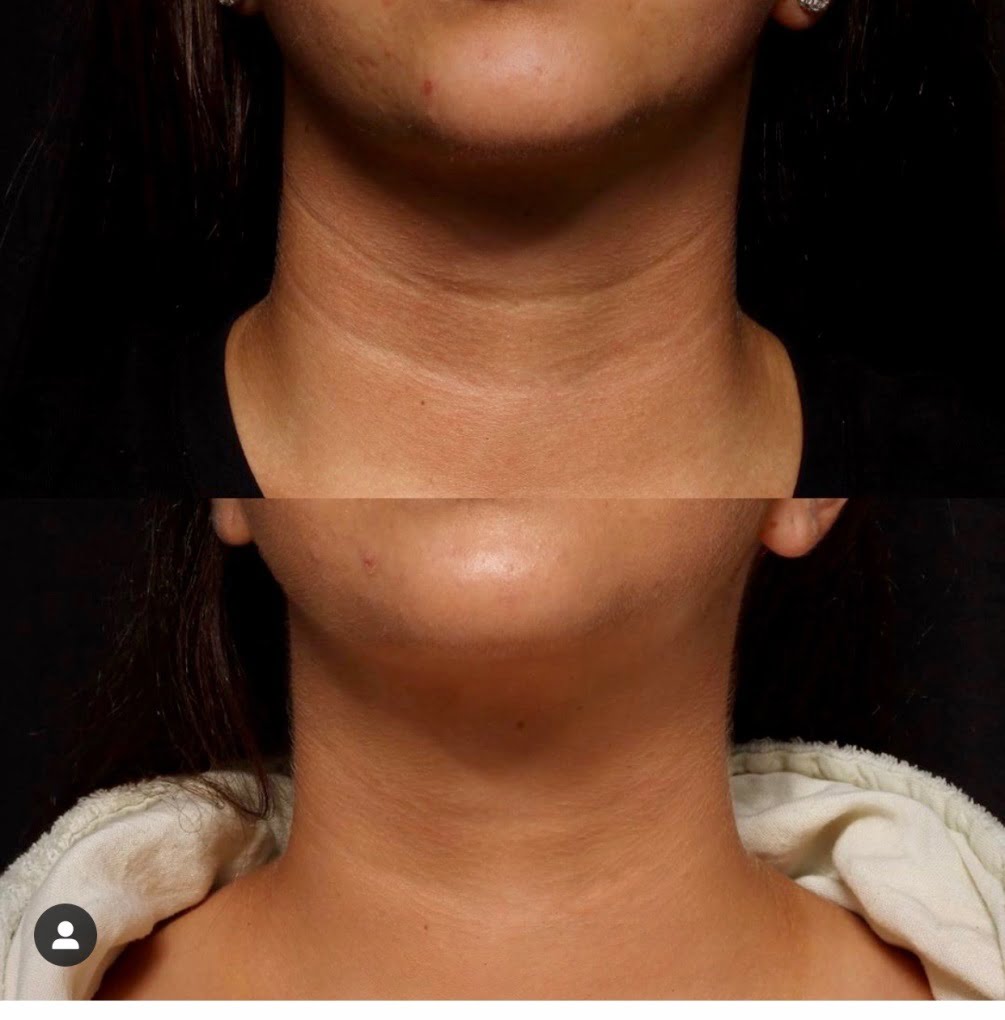
All About Skin Rejuvenation with Radiesse

Got wrinkles, fine lines, skin laxity, thinning skin, or neck lines? Then you may be a candidate for skin rejuvenation treatment with Dilute or Hyperdilute Radiesse!

What is Radiesse?

Radiesse was approved by the FDA as a facial filler at the end of 2006 and has been used as a volumizing filler since. Radiesse consists of calcium hydroxyapatite (CaHA) microspheres suspended in an aqueous polysaccharide gel carrier. Once it is injected, the gel is absorbed over time. The body then metabolizes the CaHA microspheres, which stimulate the body to produce collagen.

In recent years, the use of Radiesse in a dilute or hyperdiluted form has increased. In this form, it is a biostimulatory agent, and a volumizing filler, and it improves skin quality, texture, tone and firmness. It can be used in the face, neck, décolletage and other areas of the body. This technique was first used in Europe, yet it is now being used more and more in the U.S.

What is Hyperdiluted Radiesse?

Hyperdiluted Radiesse is simply Radiesse that has been diluted / thinned out, with a mixture of sterile saline solution and lidocaine. This makes it an easily spreadable biostimulator capable of remodeling skin over a larger area.

When this diluted mixture is injected into areas of collagen loss, it triggers the body to produce new collagen and elastin. The result is a skin rejuvenating treatment with pronounced and visible smoother, firmer, younger-looking skin.

The benefits of this treatment are skin tightening and thickening, reducing the appearance of fine lines, wrinkles, and crepiness. Treatment of the décolletage will also reduce the pigment from sun damage. Overall, skin tone, texture and elasticity are markedly improved.

Where can it be used?

  • Mid and lower face
  • Neck lines and/or neck in patients with mild to moderate laxity
  • Décolletage
  • Buttocks with cellulitic dimples (in patients with moderate to severe cellulite) to reduce the appearance of dimpling
  • Above knees to address the knee lines from lax skin with aging
  • Top of hands for a more youthful appearance

How much diluted Radiesse is needed?

Radiesse is available by the syringe, and, according to the current practice guidelines, treatment typically requires one or more syringes per area. The face, neck, and chest each usually require one or two 1.5cc syringes per session.

What is the downtime?

As with any filler injection, there can be some bruising, swelling and mild discomfort after the treatment. Most clients tolerated this treatment well and are very satisfied with their results.

There can be a variable amount of bruising and swelling, which normally lasts up to a week. We recommend Bromelain and Arnica, natural herbal supplements, to minimize these issues that may occur.

How many treatments are needed?

One to three treatment sessions are usually required to achieve the desired aesthetic effects. Two treatments are typical, though severe sun damage or severe skin laxity may require more.

These treatments are spaced out one month apart. Though preliminary research shows that results with hyperdiluted Radiesse may last up to two years, one will likely want to have one hyperdilute Radiesse treatment every 12 to 18 months for maintenance.

Combination therapy

Hyperdiluted Radiesse can be used alone. Yet when addressing areas with harder to treat concerns, such as the neck or chest, it is best to treat in combination with other tightening and resurfacing procedures, such as Chemical Peels or SkinPen microneedling, because they work in harmony to improve dermal collagen.

Everything You Need to Know About Facelift Recovery

A facelift is an excellent way to combat the signs of aging in the neck and face. It’s often chosen by people who have sagging skin, jowls, or wrinkles who wish to appear more youthful.

Knowing the details about the surgery is essential but you should also know what to expect during recovery. While the effects of a facelift may not be fully apparent for several months, the recovery process takes less time.

Expectations After Surgery

Mild to moderate discomfort and pain should be expected but can be controlled with medication. After about 72 hours, the pain should decrease. Severe pain is uncommon but if it occurs, you should reach out to the surgeon’s office, immediately.

Swelling and bruising are also common. These will be worst at one to three days after surgery and subside over two weeks. Sleeping with your head elevated can help minimize any swelling and should be done for about three weeks following surgery.

Slight drainage may occur in the first two days which will be handled through a dressing with drains. This will be removed during your first post-operative visit and exchanged for a face garment to be worn for several days.

Avoid serious exertion or exercise for three weeks after surgery. You can begin to bathe or shower on the third day but use only mildly warm water. When combing or brushing the hair, be cautious around the incisions.

The Basic Timetable for Recovery

Day One

After the surgery is complete, you will return to your home. On the first day, you will be directed to use ice or cold compresses on the procedure areas.

Days Two to Three

During the next two days, you can expect to see the most bruising and swelling where the procedure was done.

Days Five to Seven

At this time, you will also notice that the bruising starts to go away.

Week One

Except when showering, it’s important to wear an elastic garment at all times unless directed otherwise. Makeup can be used as a coverup for bruises.

Weeks Two to Three

At night, the elastic garment should be worn. The swelling will start to improve but some areas of the neck and face may feel rather stiff. Any bruising can continue to be covered up with makeup.

Reasons to Call the Plastic Surgery Office

Some symptoms indicate the need to speak with someone at the surgeon’s office as soon as possible. These include:

  • Excessive or repeated vomiting
  • Developing a fever above 100 degrees Fahrenheit
  • A large increase in pain that is not easily alleviated through your prescribed medication
  • Unusual discharge or bleeding originating from the incision
  • Unexpected, or uneven sudden swelling

If any of these things occur after office hours, speak with an answering service. In a case where neither is available, visit an emergency department, so you can be evaluated.

Final Thoughts

Keep in mind that the timeframes and instructions listed above are general. Every person will have a unique recovery and you should direct questions to your surgeon. If you take the proper precautions, do research, and follow the post-op instructions, it often creates the best outcome and easiest recovery.